
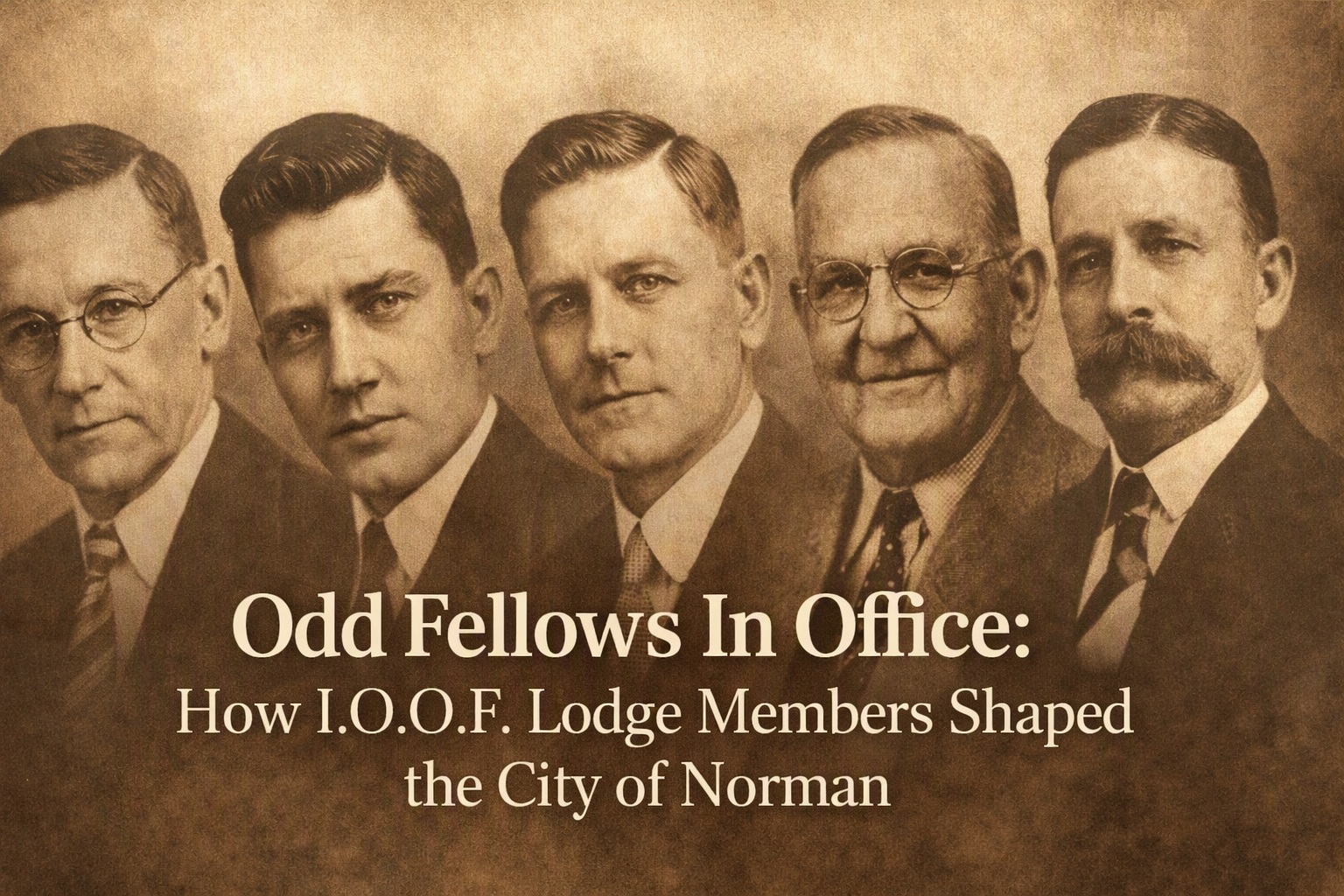
How I.O.O.F. Lodge Members Shaped the City of Norman
(All photos are courtesy of Norman City Hall, mayoral display)
In the decades after Oklahoma’s founding, Norman grew from a frontier settlement into a confident civic center. During that transformation, the Independent Order of Odd Fellows played a quiet but decisive role. Inside the Norman IOOF Lodge, men gathered for ritual, fellowship, and mutual aid — but many also carried those values into public life. A number of lodge members rose to become mayors of our fine city, guiding Norman through eras of growth, hardship, and renewal.
Their names appear twice in the historical record: once in the membership rolls of the Norman IOOF Lodge, and again in the official list of the city’s mayors. This exhibit explores the lives of five such men whose leadership bridged fraternal duty and civic responsibility.
D. L. Larsh
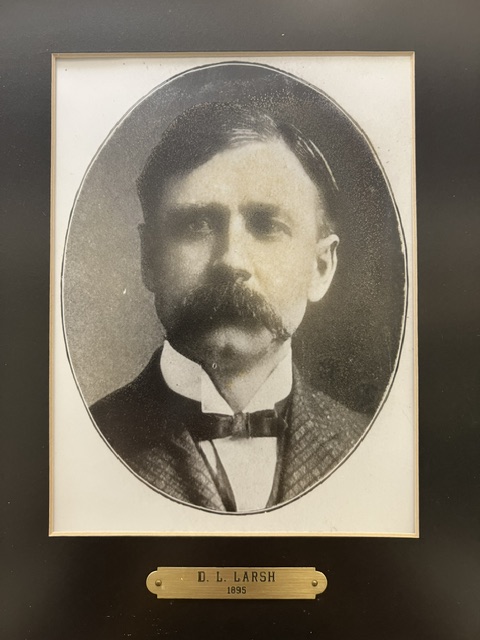
Mayor, 1895
Larsh stands at the beginning of Norman’s civic story — one of the earliest mayors and one of the earliest IOOF members to hold public office. His term came at a time when Norman was still defining itself, laying out streets, establishing basic services, and transitioning from a settlement into a functioning municipality. Larsh’s presence in both the lodge and city government reveals how deeply Odd Fellowship shaped Norman’s earliest civic identity.
John W. Barbour
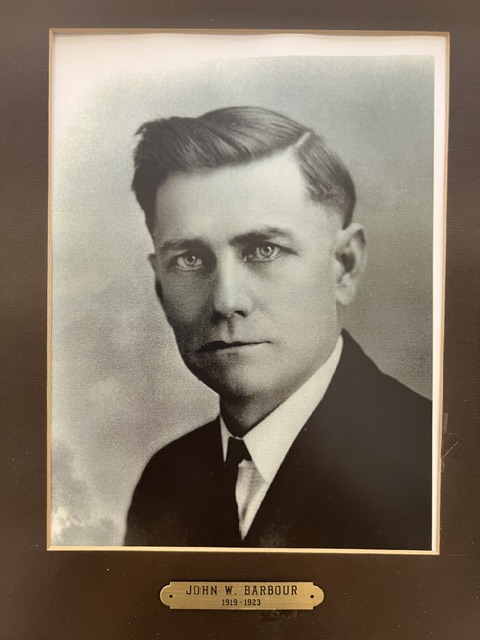
Mayor, 1919–1923
A steady presence in both lodge and city, Barbour led Norman through the post‑World War I years — a time of modernization and shifting social expectations. His administration strengthened public works and helped establish the foundations of a more structured municipal government. Barbour’s IOOF principles of charity and community care shaped his approach to civic leadership.
John G. Lindsay
Mayor, 1905–1907 & 1923–1925
One of Norman’s most influential early leaders, Lindsay served two non‑consecutive terms, guiding the city through periods of transition. His name appears prominently in IOOF records, marking him as a central figure in both fraternal and civic spheres. Lindsay’s leadership reflected the lodge’s emphasis on moral conduct, ritual order, and public service.
L. C. Lindsay
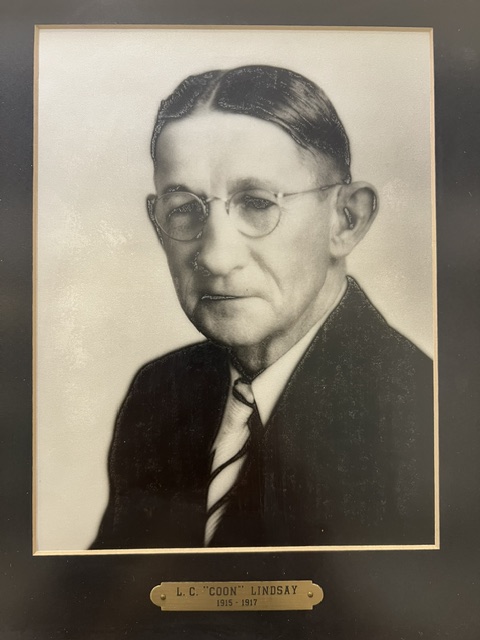
Mayor, 1915–1917
Serving during the tense years leading up to America’s entry into World War I, L. C. Lindsay focused on infrastructure, sanitation, and preparing Norman for the pressures of a modernizing nation. His presence in both the lodge and city government highlights the Lindsay family’s enduring civic legacy.
Guy Spottswood
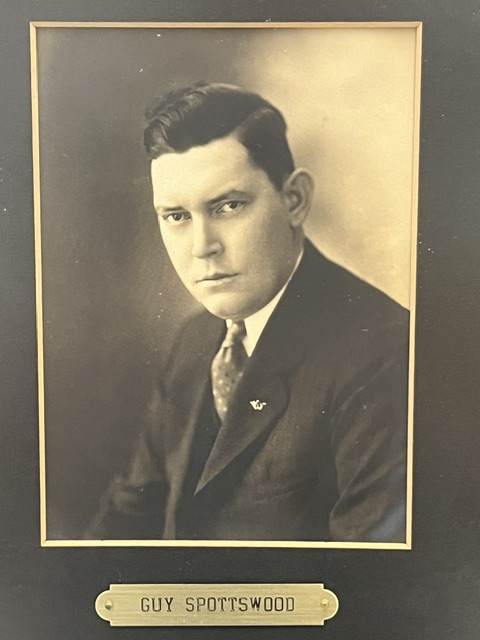
Mayor, 1925–1929
Spottswood’s tenure marked a period of economic optimism and architectural growth. Many structures that still define Norman’s historic core rose during these years. Known in the lodge for his organizational skill, Spottswood believed that public life — like fraternal life — should be conducted with dignity and symbolic purpose.
Fred Reynolds
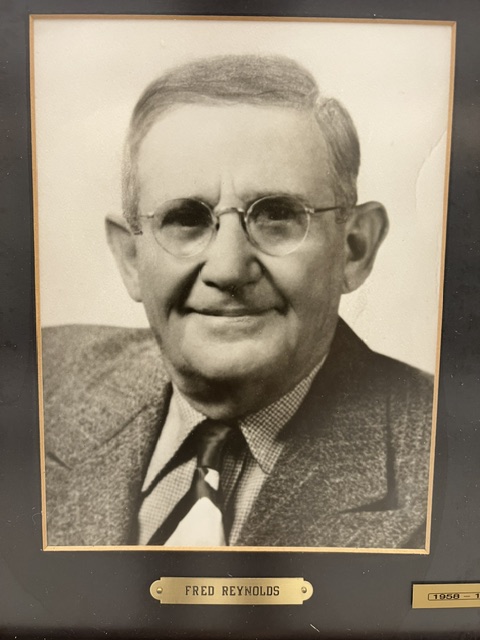
Mayor, 1958–1959
A representative of the post‑war generation of IOOF civic leaders, Reynolds guided Norman during a time of suburban expansion and university growth. His administration reflects the lodge’s long tradition of producing leaders who balanced tradition with the demands of a rapidly changing city.
A Legacy of Leadership
Together, these men form a lineage of Odd Fellows who shaped Norman’s identity across half a century. Their service demonstrates how fraternal values — mutual aid, moral responsibility, and community stewardship — influenced the development of the city itself.
The restored Norman IOOF Lodge stands today not only as an architectural landmark, but as a testament to the civic spirit nurtured within its walls. Through ritual, fellowship, and shared purpose, the lodge helped cultivate leaders who carried its principles into the broader community.
Their legacy endures in the streets they paved, the institutions they strengthened, and the civic character they helped define.
Leave a Reply
You must be logged in to post a comment.